

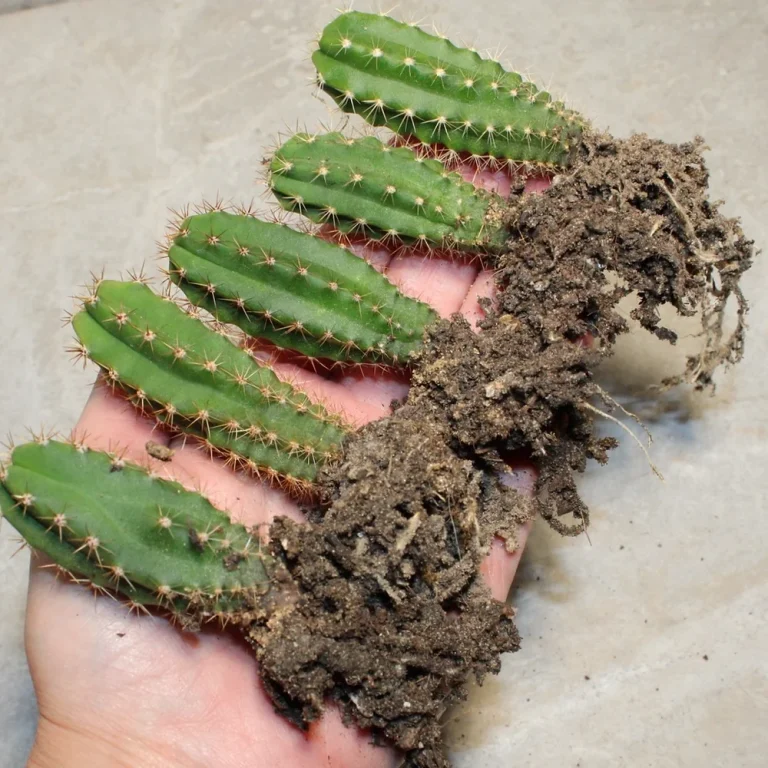
San Pedro
$75.00
Guaranteed safe checkout




Description
Description
What Is Peyote Cactus? A Complete Guide to Its History, Characteristics, and Cultural Significance
What Is Peyote Cactus?
Peyote cactus is a small, spineless cactus scientifically known as Lophophora williamsii. Native to parts of northern Mexico and the southwestern United States, peyote has been recognized for centuries for its unique appearance and cultural significance. The cactus grows close to the ground and is characterized by its rounded shape, bluish-green color, and distinctive button-like crowns.
. Peyote remains one of the most well-known cacti in the world due to its long-standing cultural and ethnobotanical importance.
Characteristics of Peyote Cactus
Peyote cactus is relatively small compared to many other cactus species. It typically grows in desert and semi-desert environments where it can withstand harsh conditions and limited rainfall.
Key characteristics include:
- Spineless, rounded body
- Blue-green to gray-green coloration
- Slow-growing nature
- Button-like crown structure
- Ability to thrive in arid climates
Where Does Peyote Cactus Grow?
- Northern Mexico
- Southern Texas
- Chihuahuan Desert ecosystems
The plant grows in limestone-rich soils and often takes several years to reach maturity. Environmental factors and habitat loss have made conservation an important topic surrounding peyote populations.
The History of Peyote Cactus
The history of peyote cactus dates back thousands of years. Archaeological evidence suggests that indigenous communities have used peyote in ceremonial and spiritual traditions for generations. The cactus has played a significant role in cultural practices and continues to be an important part of certain traditional ceremonies today.
Its historical significance has made peyote a subject of interest among researchers, botanists, anthropologists, and historians alike.
Peyote Cactus and Traditional Culture
Peyote cactus holds deep cultural and spiritual importance for various Indigenous groups. Understanding the cultural context of peyote is essential when learning about the plant, as its significance extends beyond its botanical characteristics.
Peyote Cactus Conservation
Due to habitat pressures, slow growth, and increased demand, conservation efforts have become increasingly important. Many organizations and environmental groups advocate for sustainable practices and protection of natural peyote habitats.
Conservation initiatives focus on:
- Habitat preservation
- Sustainable harvesting practices
- Educational programs
- Research and ecological monitoring
Frequently Asked Questions About Peyote Cactus
Is Peyote Cactus Rare?
Peyote is considered a slow-growing species, and natural populations can be vulnerable to habitat loss and overharvesting.
How Long Does Peyote Take to Grow?
Peyote grows slowly and may take several years to reach maturity under natural conditions.
Where Is Peyote Native To?
The cactus is native to northern Mexico and parts of southern Texas.
Why Is Peyote Important?
Peyote is valued for its cultural, historical, and botanical significance and has played an important role in Indigenous traditions for centuries.
Conclusion
If you’ve been wondering, “What is peyote cactus?” the answer involves much more than a desert plant. It is a unique species with a rich history, distinctive characteristics, and deep cultural significance. Its importance in traditional practices, combined with ongoing conservation efforts, continues to make peyote one of the most studied and recognized cacti in the world.
Specifications
- Short Stroke Gas Piston Gas System (Rifle Length)
- 18.6″ Barrel Length ( Mid-Weight style, non-fluted)
- 1:8 Twist Rate Rifling
Reviews (0)
Related products
-

-
 Price range: $55.00 through $250.00 Buy now This product has multiple variants. The options may be chosen on the product page
 -

Reviews
There are no reviews yet.