

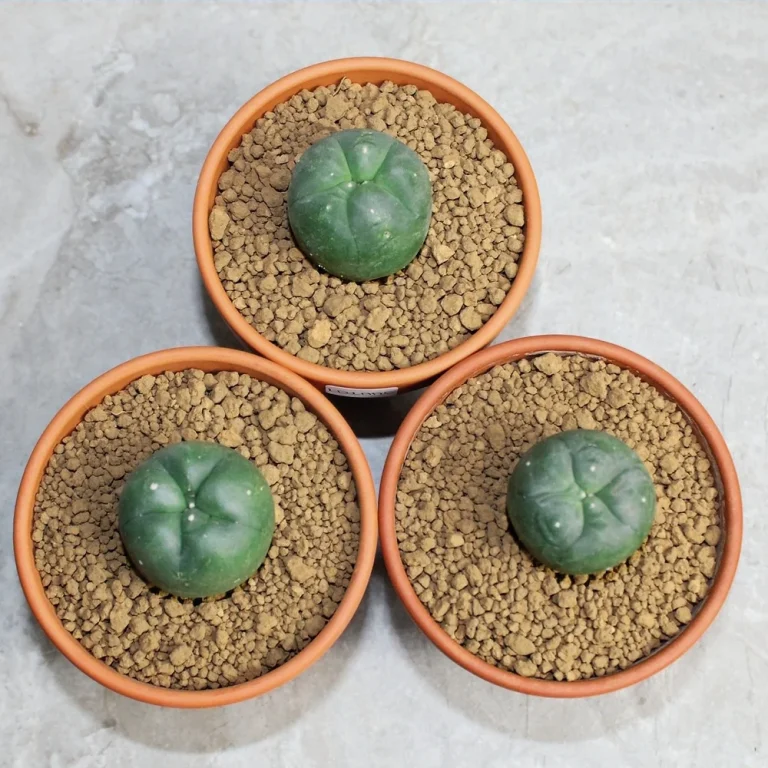
Lophophora diffusa
$85.00
Guaranteed safe checkout




Description
Description
History of Peyote Use: A Journey Through Centuries of Tradition and Culture
History of Peyote Use
The history of peyote use spans thousands of years and is deeply connected to the cultural and spiritual traditions of Indigenous peoples in North America. Peyote (Lophophora williamsii) is a small, spineless cactus native to northern Mexico and the southwestern United States. Throughout history, it has held significant ceremonial, cultural, and religious importance for various Indigenous communities.
Understanding the history of peyote use provides valuable insight into its role in traditional practices, cultural preservation, and historical research.
Ancient Origins of Peyote Use
Archaeological evidence suggests that peyote has been used for several thousand years. Researchers have discovered peyote remains in caves and rock shelters in northern Mexico and Texas, indicating that Indigenous peoples were familiar with the cactus long before European contact.
These discoveries suggest that peyote played an important role in ceremonial and cultural traditions across generations.
Peyote in Indigenous Traditions
For many Indigenous groups, peyote became an integral part of religious and cultural life. Traditional ceremonies often emphasized community, spirituality, healing, reflection, and connection to cultural heritage.
The use of peyote varied among different tribes and regions, but its significance as a sacred plant remained consistent throughout many Indigenous traditions.
Peyote During the Colonial Period
The arrival of European settlers brought significant changes to Indigenous communities throughout North America. During the colonial period, many traditional practices faced restrictions and challenges.
Despite these pressures, peyote traditions continued to survive and were passed down through generations, helping preserve important cultural knowledge and spiritual practices.
The Development of Organized Peyote Ceremonies
During the nineteenth century, peyote traditions spread among numerous Indigenous communities across the United States. These practices evolved into more organized ceremonial structures that combined cultural teachings, prayer, music, and community participation.
This period marked an important chapter in the history of peyote use as traditions adapted to changing social and historical conditions.
The Native American Church and Peyote
One of the most significant developments in the history of peyote use was the formation of the Native American Church in the late nineteenth and early twentieth centuries. The church helped preserve Indigenous spiritual practices and cultural identity while providing a formal religious framework for peyote ceremonies.
Today, the Native American Church remains an important institution for many Indigenous communities and continues to play a role in preserving cultural traditions.
Modern Perspectives on Peyote Use
In modern times, peyote continues to be studied by historians, anthropologists, ethnobotanists, and cultural researchers. Discussions often focus on:
- Indigenous cultural preservation
- Religious freedom
- Conservation efforts
- Historical significance
- Sustainable management of natural peyote populations
These topics highlight the ongoing importance of peyote within both cultural and academic contexts.
Conservation and Cultural Preservation
Because peyote is a slow-growing cactus, conservation has become increasingly important. Habitat loss and environmental pressures have raised concerns about the future of natural peyote populations.
Many Indigenous communities, researchers, and conservation organizations support efforts to protect peyote habitats while respecting traditional cultural practices.
Frequently Asked Questions About the History of Peyote Use
How Long Has Peyote Been Used?
Archaeological evidence suggests peyote has been used for several thousand years in parts of North America.
Who Traditionally Used Peyote?
Various Indigenous peoples in present-day Mexico and the United States have incorporated peyote into cultural and ceremonial traditions.
Why Is Peyote Historically Significant?
Peyote is significant because of its long-standing role in Indigenous spirituality, cultural identity, and traditional ceremonies.
Is Peyote Still Used Today?
Peyote continues to hold cultural and religious importance for certain Indigenous communities while also being the subject of ongoing historical and conservation research.
Conclusion
The history of peyote use reflects centuries of cultural tradition, resilience, and spiritual significance. From its ancient origins to its role in modern Indigenous communities, peyote remains an important part of North American cultural history. Understanding this history helps promote greater appreciation for the traditions, knowledge, and conservation efforts that continue to surround this unique cactus today.
Specifications
- Short Stroke Gas Piston Gas System (Rifle Length)
- 18.6″ Barrel Length ( Mid-Weight style, non-fluted)
- 1:8 Twist Rate Rifling
Reviews (0)
Related products
-
 Price range: $95.00 through $235.00 Buy now This product has multiple variants. The options may be chosen on the product page
 -
 Price range: $110.00 through $275.00 Buy now This product has multiple variants. The options may be chosen on the product page
 -
 Price range: $90.00 through $1,550.00 Buy now This product has multiple variants. The options may be chosen on the product page
Reviews
There are no reviews yet.