

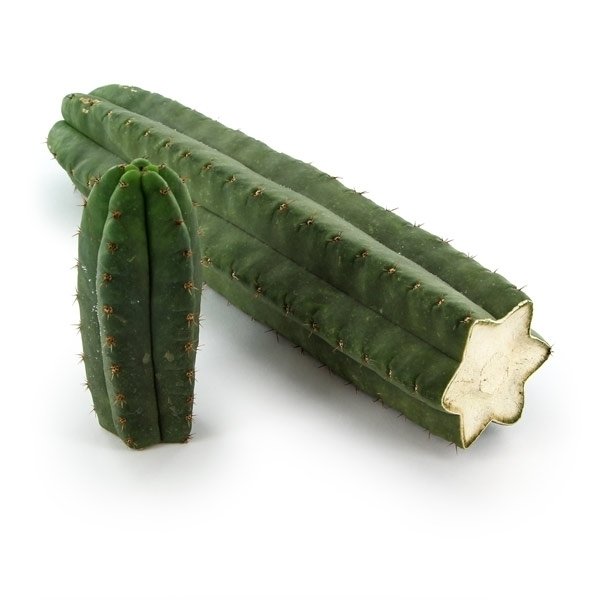
SAN PEDRO CACTUS 50-75 cm
$90.00
Guaranteed safe checkout




Description
Description
Peyote vs San Pedro Cactus: Key Differences, History, and Botanical Characteristics
Peyote vs San Pedro Cactus
Peyote vs San Pedro Cactus is a common comparison among plant enthusiasts, researchers, and individuals interested in ethnobotany. While both cacti are well-known in discussions about desert plants and cultural history, they differ significantly in appearance, growth habits, natural habitat, and traditional significance. Furthermore, understanding these differences can help provide a clearer perspective on each species and its unique characteristics.
What Is Peyote?
Peyote (Lophophora williamsii) is a small, spineless cactus native to northern Mexico and southern Texas. Historically, it has been associated with Indigenous cultural traditions and desert ecosystems. Additionally, peyote is known for its slow growth rate and distinctive button-like appearance.
Characteristics of Peyote
- Small and rounded shape
- Spineless surface
- Blue-green coloration
- Slow-growing lifecycle
- Native to arid desert regions
What Is San Pedro Cactus?
San Pedro cactus (Echinopsis pachanoi) is a tall, columnar cactus native to the Andes Mountains of South America. In contrast to peyote, San Pedro grows rapidly and can reach impressive heights. Moreover, it is commonly recognized for its ribbed structure and adaptability to various climates.
Characteristics of San Pedro Cactus
- Tall columnar growth
- Ribbed green stems
- Faster growth rate
- Native to South America
- Adaptable to different environments
Peyote vs San Pedro Cactus: Major Differences
Appearance
First, peyote is small and rounded, whereas San Pedro is tall and column-shaped. Consequently, the two species are easy to distinguish visually.
Growth Rate
Peyote grows very slowly and may take years to mature. In contrast, San Pedro grows significantly faster under suitable conditions.
Natural Habitat
Peyote is native to the deserts of North America. Meanwhile, San Pedro originates from the mountainous regions of South America.
Conservation Status
Furthermore, peyote faces greater conservation concerns because of its limited habitat and slow growth. As a result, habitat protection and sustainability efforts remain important topics.
Cultural Significance
Both cacti have historical importance. However, their cultural histories developed in different regions and traditions. Therefore, each species is studied within its own historical and ethnobotanical context.
Similarities Between Peyote and San Pedro
Although they differ in many ways, there are several similarities:
- Both belong to the cactus family.
- Both have long cultural histories.
- Both are subjects of botanical research.
- Both thrive in dry environments.
- Both attract interest from plant enthusiasts worldwide.
Why People Compare Peyote vs San Pedro Cactus
Many people compare Peyote vs San Pedro Cactus because they are among the most recognized cactus species in ethnobotanical discussions. Additionally, both plants have unique ecological and cultural significance. Therefore, understanding their differences helps researchers and enthusiasts appreciate each species more accurately.
Conservation and Sustainability
Peyote conservation has become increasingly important due to habitat pressures and slow natural growth. Likewise, sustainable environmental practices benefit cactus populations worldwide. Consequently, education and awareness play a crucial role in protecting these remarkable plants.
Frequently Asked Questions
Is Peyote the Same as San Pedro Cactus?
No. Peyote and San Pedro are different cactus species with distinct appearances, habitats, and growth patterns.
Which Cactus Grows Faster?
San Pedro generally grows much faster than peyote.
Where Do These Cacti Grow Naturally?
Peyote is native to northern Mexico and southern Texas. Meanwhile, San Pedro is native to the Andes region of South America.
Why Are These Cacti Important?
Both species are valued for their cultural history, ecological importance, and role in botanical research.
Conclusion
Peyote vs San Pedro Cactus is an important comparison for anyone interested in cactus species, cultural history, and desert ecology. While peyote is a small, slow-growing cactus native to North America, San Pedro is a tall, fast-growing cactus from South America. Ultimately, understanding their differences and similarities provides valuable insight into two of the world’s most fascinating cactus species.
Specifications
- Short Stroke Gas Piston Gas System (Rifle Length)
- 18.6″ Barrel Length ( Mid-Weight style, non-fluted)
- 1:8 Twist Rate Rifling
Reviews (0)
Related products
-

-
 Price range: $90.00 through $1,550.00 Buy now This product has multiple variants. The options may be chosen on the product page

Reviews
There are no reviews yet.